
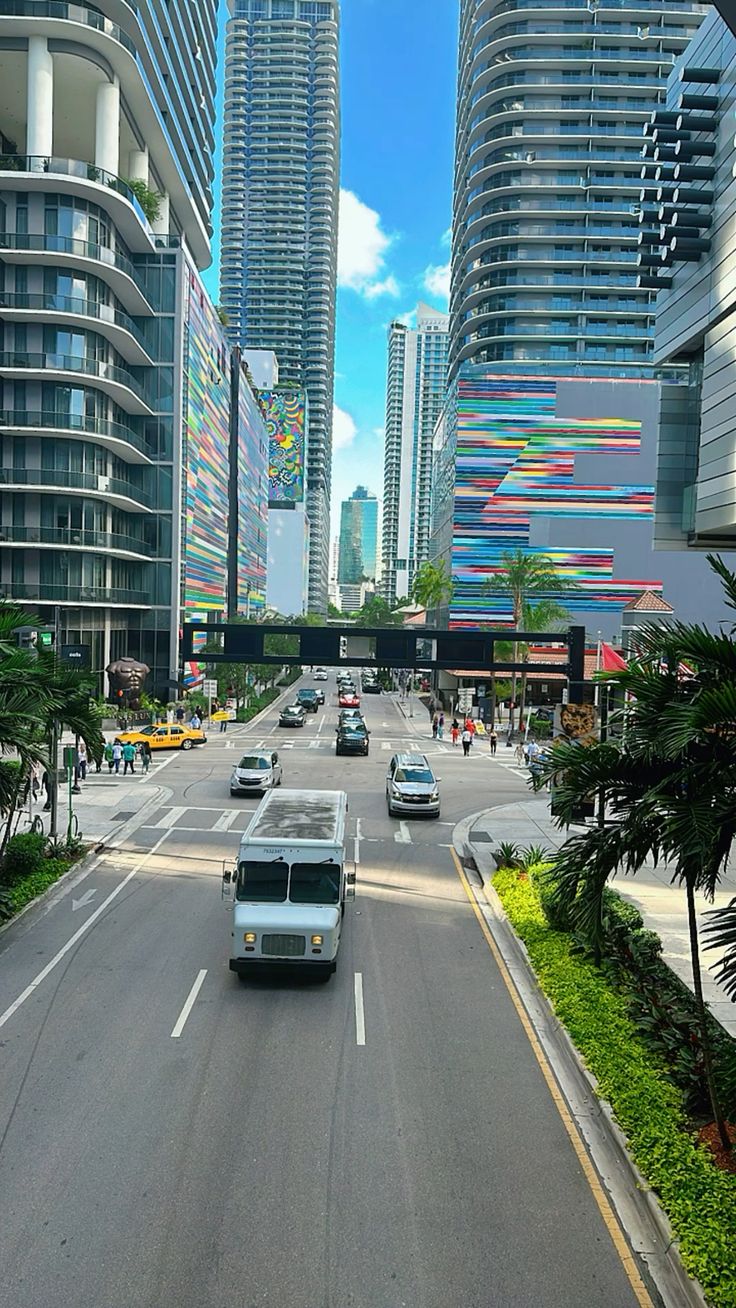
Miami has become one of the most sought-after real estate markets in North America. Driven by unprecedented population growth, advantageous tax policies, and strong international investment, the city continues to attract new residents, corporations, and global capital.
Recent data from the Miami Market Report Q3 2024, along with insights published by ISG World in early 2025, confirm a healthy and resilient market, supported by structural demand that consistently exceeds available inventory.
Why Is Miami Attracting So Many New Residents?
Record Migration and High-Income Profiles
According to the U.S. Census Bureau and Miami Realtors®:
Miami-Dade, Broward, and Palm Beach rank among the top three U.S. counties for net in-migration.
New residents are primarily arriving from:
-
New York
-
New Jersey
-
California
-
Chicago
-
Canada
-
Europe (France, UK, Italy)
-
Latin America (Brazil, Colombia, Mexico, Venezuela)
Their average income is significantly higher than the local median, which fuels strong demand for mid-range and luxury housing.
Craig Studnicky explains:
“South Florida welcomes more high-income new residents each year than any other region in the country. That is the main driver of price stability.”
Tax Advantages and Business-Friendly Environment
Miami benefits from:
0% state income tax in Florida
A business-friendly environment (major corporate relocations since 2021)
A cost of living still competitive compared to New York and Los Angeles
Result:
Growth in companies across tech, finance, healthcare, and logistics.Brickell is now frequently referred to as “Wall Street South.”
Quality of Life, Climate, and Global Connectivity
Miami offers:
Direct flights to over 100 international destinations
An attractive lifestyle: ocean, culture, gastronomy
Major urban development: Miami Worldcenter, Brickell expansion, Edgewater revitalization
A rare combination for international executives and residential investors.
Market Data – Q3 2023 vs Q3 2024 (Miami-Dade)
Sources: Miami Realtors®, MLS, Elliman Report.
1. Median Prices
Single-Family Homes
Q3 2023: $600,000
Q3 2024: $655,000
➡️ +9.1%Condominiums
Q3 2023: $400,000
Q3 2024: $420,000
➡️ +5%
Inventory (Months of Supply)
Segment Q3 2023 Q3 2024 Homes 2.9 mo 3.0 mo Condos 4.6 mo 5.2 mo A balanced market is considered 6 months of inventory.
Miami remains a seller’s market.
3. Sales Volume
Single-Family Homes (YoY)
Q3 2023: –7%
Q3 2024: –3%
Condos (YoY)
Q3 2023: –11%
Q3 2024: –6%
The slowdown is driven by interest rates, not a decline in structural demand.
Prices remain steady due to limited supply.
Pre-Construction – The Strategic Segment (ISG & Craig Studnicky Insights)
Condo Supply Shortage
Craig Studnicky emphasizes:
“Since 2008, we have not built enough condominiums to match population growth. New inventory remains insufficient.”
Between 2012 and 2023, South Florida added over 600,000 residents, yet the number of newly delivered condos dropped by more than half compared to previous cycles.
Who Is Buying Pre-Construction?
According to ISG:
50–60% international buyers
30–40% U.S. buyers (NY, CA, TX)
10% local residents
. Top-Performing Areas for New Development
Brickell
Downtown / Miami Worldcenter
Edgewater
Wynwood
Miami Beach
All maintain strong reservation activity despite higher interest rates.
Insights from the Miami Report™ 2025 — Q3
Publicly confirmed insights published by ISG World and Craig Studnicky:
- International Demand Strengthens in 2025
Studnicky notes a strong return of European buyers, alongside continued demand from Latin American markets.
- Inventory Shortage Remains the Core Driver of Price Stability
“There are not enough new projects to absorb migration-driven demand.”
- Lower Interest Rates Expected to Boost Local Demand in 2025
Fannie Mae forecasts interest rates around 6.0% to 6.5%, supporting a rebound in transaction volume.
- Prices Expected to Continue Gradual Growth
Based on ISG and public analyses:
Homes: +3% to +5% expected in 2025
Condos: +2% to +4%
Luxury: projected to be the strongest-performing segment
a global, expanding city supported by durable international demand.