

The Dominican Republic continues to attract international buyers seeking a second home, a rental investment, or a long-term real estate opportunity. With its tropical lifestyle, thriving tourism industry, and developing property market, the country has become an attractive destination for foreign investors.
However, beyond choosing a property, arranging financing, and signing the purchase agreement, one important question deserves attention: Should you officially register your foreign investment with the Dominican authorities?
This administrative process, which is often unfamiliar to international buyers, can offer important advantages, particularly in terms of official recognition of the investment and access to certain legal protections provided under Dominican law.
1. What Is Foreign Investment Registration?

Foreign investment in the Dominican Republic is primarily governed by Law No. 16-95 on Foreign Investment.
Registration involves officially declaring a qualifying foreign investment with the competent government agency, ProDominicana (the Dominican Republic's Export and Investment Center).
In real estate, this process may allow foreign investors to obtain official recognition of the foreign capital invested in a property purchase, provided the transaction meets the applicable legal requirements.
It is important to distinguish between two separate procedures:
-
Property acquisition: Establishes the buyer's ownership rights in accordance with Dominican real estate and land registration requirements.
-
Foreign investment registration: Provides administrative recognition of the investment under the country's foreign investment legislation.
One procedure does not replace the other.
2. What Are the Benefits for Foreign Property Buyers?

Official Recognition of the Investment
The investor obtains administrative recognition of the investment through the competent authorities, subject to the applicable requirements.
Protection of Investment-Related Rights
Law No. 16-95 provides certain guarantees for foreign investors, including provisions concerning the transfer abroad of invested capital and profits, subject to compliance with applicable legal and tax obligations.
Facilitation of Certain Administrative Procedures
The registration certificate may serve as supporting documentation in certain procedures related to the investment and its official recognition.
Better Investment and Asset Documentation
For investors who own multiple properties or plan to expand their business activities in the Dominican Republic, maintaining clear documentation of their investments is an important practice.
3. How Much Does Foreign Investment Registration Cost?

The cost of this procedure depends on the applicable administrative requirements and the investor's individual circumstances.
One important distinction should be made: foreign investment registration should not automatically be confused with a 0.5% tax on the property's value.
Registration fees, legal fees, translation costs, and other administrative expenses should be considered separately.
Before beginning the process, investors should request the current fee schedule and documentation requirements directly from ProDominicana.
Property acquisition expenses, such as real estate transfer taxes and legal fees, are also separate costs.
4. Is Registration Mandatory or Optional?

Foreign nationals can purchase property in the Dominican Republic without being required to register their investment with ProDominicana.
Therefore, registration is generally not a mandatory condition for becoming a property owner.
However, it may be beneficial for investors who wish to access the legal framework applicable to foreign investments and officially document the capital they have invested.
The decision should be evaluated according to the investment amount, the origin of the funds, the ownership structure, and the investor's long-term objectives.
5. Can Foreign Investment Registration Help You Obtain Dominican Residency?

Yes, a qualifying real estate investment may, in certain circumstances, provide a pathway to applying for investor residency in the Dominican Republic. However, registering an investment with ProDominicana does not automatically grant residency.
The Dominican Republic has established a legal framework allowing certain foreign investors to apply for residency under the investor category.
Under the framework established by Law No. 171-07 and applicable immigration regulations, a qualifying investment of at least US$200,000 may provide a basis for applying for investor residency, subject to meeting the relevant legal requirements.

-
Make a qualifying investment in accordance with applicable legal requirements.
-
Gather documentation demonstrating the source and value of the investment.
-
Obtain investment certification from the competent authority, when required.
-
Submit a residency application to the General Directorate of Migration (DGM).
-
Provide the required personal, police clearance, medical, and administrative documents.
It is important to note that the minimum investment amount and eligibility criteria must be verified at the time of application. Purchasing a property alone does not guarantee approval of a residency application.
6. What Documents Are Needed to Register a Foreign Investment?
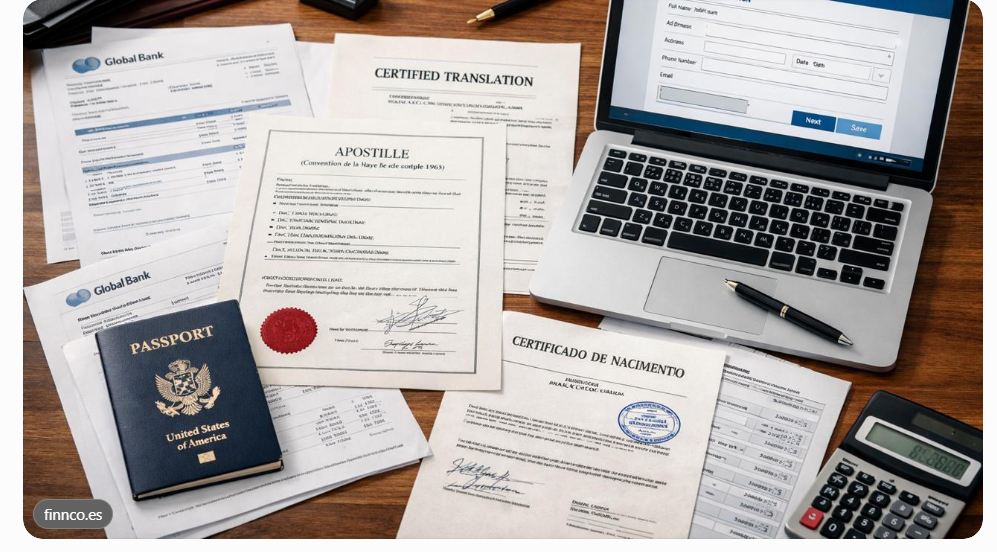
To prepare a foreign investment registration application, investors may be required to provide documents such as:
-
A copy of their passport.
-
Documents relating to the property acquisition.
-
The property title or relevant land registration documents.
-
Proof of payment and international fund transfers.
-
Documents demonstrating the source of the investment capital.
-
Administrative forms required by ProDominicana.
The exact documentation may vary depending on the nature of the investment and the investor's individual circumstances.
Working with a local attorney specializing in real estate law and foreign investment is strongly recommended.
7. Why Is It Important to Plan Your Investment Before Purchasing?

Before signing a purchase agreement or transferring funds, it is important to review several key elements:
-
The property's legal and ownership status.
-
The seller's identity and legal authority to sell.
-
Any existing liens, encumbrances, or restrictions.
-
The validity of the relevant property documents and permits.
-
The procedures for transferring funds.
-
The tax implications of the investment.
-
The possibility of registering the investment and, if desired, exploring residency options.
A properly structured investment from the beginning can facilitate future procedures and contribute to a more secure transaction.
Conclusion: Invest with a Long-Term Vision

Foreign investment registration is a process worth considering, particularly for individuals planning a significant investment or wishing to explore potential investor residency opportunities.
However, it is essential to understand that becoming a property owner, obtaining official recognition of a foreign investment, and securing residency are three separate procedures, each subject to its own requirements.
The best strategy is to approach your purchase with a comprehensive vision: secure the property, properly document the invested capital, and understand the legal and tax implications before making a commitment.
© 2026 Monika Texier. All rights reserved. Unauthorized reproduction or distribution, in whole or in part, is prohibited.