
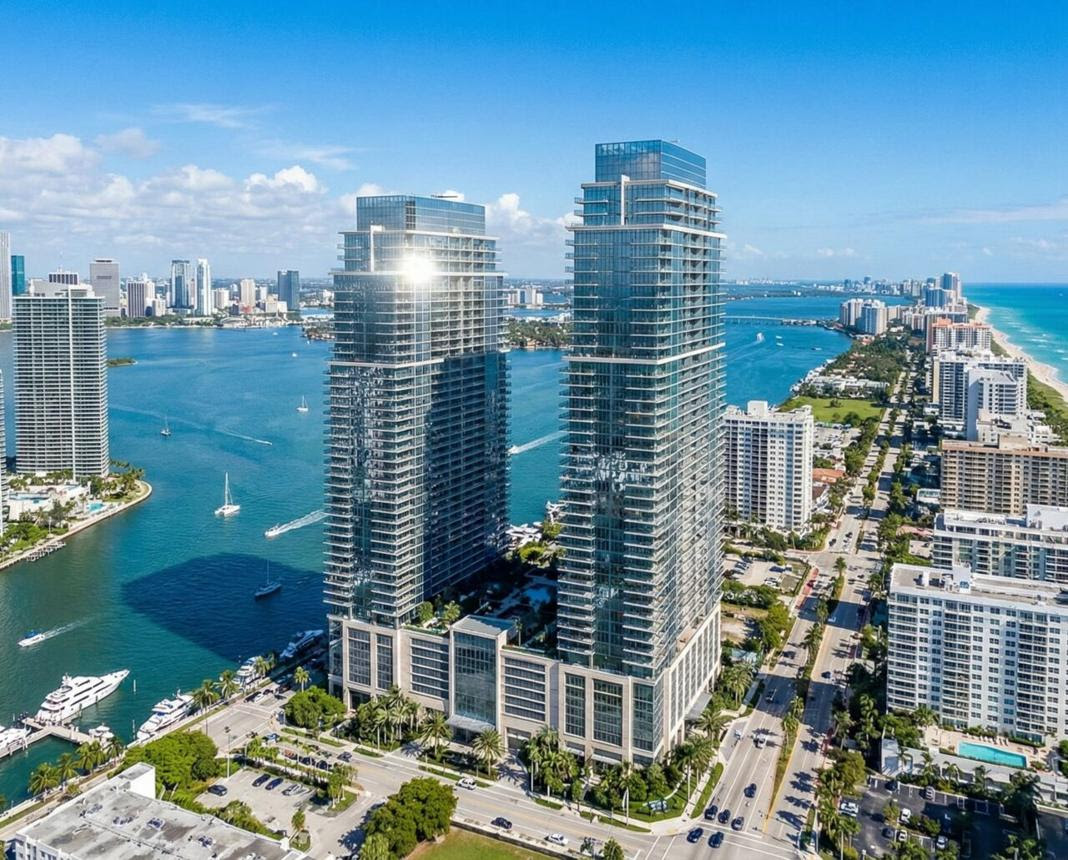
In Miami, luxury real estate is no longer defined solely by a prestigious address, breathtaking ocean views, or spectacular architecture. Buyers are increasingly placing importance on the lifestyle and experience offered by their residential community. Spas, wellness centers, state-of-the-art fitness facilities, coworking spaces, and hotel-style services are now playing an increasingly important role in the appeal of high-end condominiums.

These amenities reflect a shift in buyer expectations. Today's purchasers are not simply looking for a property; they are seeking an environment that simplifies everyday life, promotes well-being, and complements their lifestyle. For investors, these features also represent important factors to consider when evaluating a property's position in the rental market.
1. A New Definition of Luxury Real Estate
The luxury condominium market is evolving alongside the lifestyles of an increasingly international, mobile, and discerning clientele. Some buyers are looking for a prestigious second home near the ocean, others want a convenient residence for business travel, while investors are seeking properties that appeal to high-end rental clientele.
In this context, shared amenities are becoming an increasingly important part of the residential experience. Buildings offering thoughtfully designed facilities allow residents to enjoy a variety of services without having to leave their residence.
Luxury is therefore becoming a combination of comfort, functionality, personalized services, and quality of life. The perceived value of a property is no longer determined solely by what is inside the condominium, but also by the overall amenities and services available throughout the building.
2. The Amenities Redefining the Residential Experience

Spas and Wellness Facilities
Spas, saunas, relaxation rooms, and dedicated wellness spaces bring an additional dimension to residential comfort. They provide residents with an environment designed to encourage relaxation, recovery, and personal well-being.
For buyers, these facilities can enhance the appeal of a second home. For investors, they represent a potential differentiating feature worth considering when evaluating the target rental market.
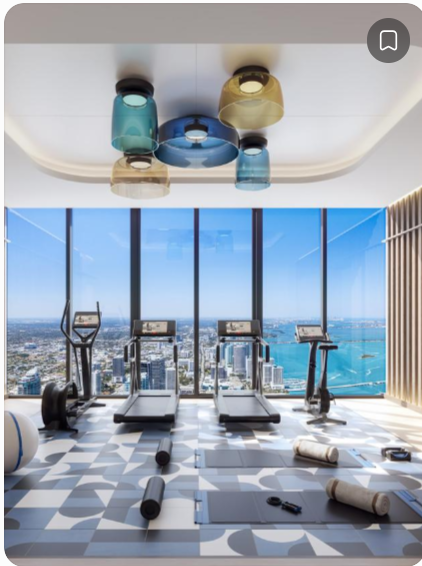
Fitness Centers and Training Facilities
Modern fitness centers respond to the expectations of residents who want to maintain their exercise routines without relying on external facilities. Some luxury buildings also offer yoga studios, specialized fitness classes, and private training spaces.
The quality of the facilities, their accessibility, and their maintenance are just as important as their presence in the property's marketing materials.

Coworking Spaces and Business Lounges
With the growth of remote work and international business activities, shared workspaces are becoming an increasingly attractive residential feature. Private offices, meeting rooms, connected lounges, and quiet work areas allow residents to balance their professional and personal lives.
These amenities can be particularly appealing to entrepreneurs, remote professionals, and business travelers who frequently stay in Miami.

Hotel-Style Services and Concierge
Concierge services, reception desks, package management, valet parking, security, and housekeeping services contribute to a more convenient residential experience. Depending on the building, certain services may approach the standards of luxury hospitality.
For owners who travel frequently or use their condominium seasonally, these services can simplify property management and everyday living.
3. A Competitive Advantage for Rental Property Investors
For investors, amenities should not be viewed solely as luxury features. They are also characteristics that may influence a property's perceived value, competitive positioning, and appeal to certain rental audiences.
In a market where several condominiums may offer comparable layouts, finishes, and views, the quality of shared spaces and available services can help distinguish one property from another.
Three important considerations deserve particular attention:
-
Rental appeal: Amenities that match the expectations of a target audience may make a condominium more attractive to certain prospective tenants.
-
Luxury positioning: The services offered may reinforce the building's upscale image and support a premium rental positioning, provided local market conditions justify it.
-
Long-term competitiveness: Well-maintained amenities that respond to residents' expectations can help preserve the building's appeal over time.
However, it is important to remain realistic. The presence of a spa, fitness center, or concierge service does not automatically guarantee higher occupancy rates or increased investment returns.
These features must be evaluated alongside the purchase price, condominium association fees, rental restrictions, and actual market demand.
4. Condominium Association Fees: The Other Side of Luxury
A condominium with exceptional amenities can be impressive at first glance. However, making an informed purchasing decision also requires understanding the actual cost of maintaining these facilities.
Swimming pools, elevators, fitness centers, security systems, and shared services all require operating budgets, ongoing maintenance, and sometimes significant renovations.
Before purchasing, buyers should carefully review:
-
The amount of condominium association fees and their historical evolution.
-
Which amenities and services are actually included.
-
Planned maintenance projects and potential special assessments.
-
The quality of building management and the financial reserves available.
-
Restrictions regarding short-term and long-term rentals.
For investors, this analysis helps identify recurring expenses and evaluate potential net returns. For owner-occupants, it helps determine whether the level of services truly matches their needs and budget.
True luxury is not simply about the amenities provided. It is also about their quality, sustainability, and cost.
5. How to Evaluate Amenities Before Buying
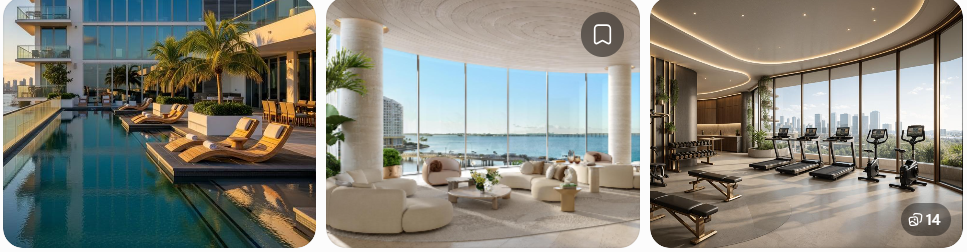
A condominium visit should never be limited to the individual unit. Shared spaces, available services, and building regulations deserve equal attention.
Here are the main elements buyers should compare:
| Criteria | Questions to Consider |
|---|---|
| Quality of amenities | Are they modern, functional, and well-maintained? |
| Accessibility | Are they available year-round and during convenient hours? |
| Costs | Are the association fees proportionate to the services provided? |
| Management | Does the building have effective management and adequate financial reserves? |
| Rental policies | Does the building allow the intended rental strategy? |
| Target clientele | Do the amenities match the expectations of potential residents or tenants? |
This approach allows buyers to look beyond a project's visual appeal and evaluate its suitability from both a residential and investment perspective.
6. Miami: Choosing a Condominium Based on Your Goals
Not all buyers have the same priorities. Choosing the right building should therefore depend on the intended use of the property rather than simply the number of amenities advertised.

For a Second Home
Prioritize comfort, security, services that facilitate extended absences, and amenities you will genuinely enjoy during your stays.
For a Rental Investment
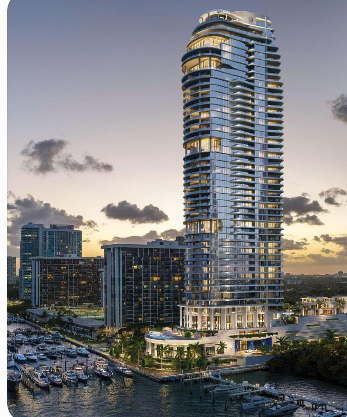
Study neighborhood demand, the profile of potential tenants, comparable rental rates, rental restrictions, and the property's overall operating expenses.

For a Long-Term Real Estate Investment
Evaluate construction quality, the condominium association's reputation, neighborhood development, anticipated expenses, and potential resale appeal.
Luxury Is Also Measured by Experience
In Miami, amenities in high-end condominiums are playing an increasingly important role in how buyers evaluate residential properties. Wellness facilities, fitness centers, coworking spaces, and personalized services reflect a growing demand for comfort that extends well beyond the walls of an individual condominium.
For buyers, these amenities can enhance the residential experience. For investors, they represent potential competitive advantages that must be evaluated in relation to rental demand, operating costs, and the overall investment strategy.
The key is to distinguish genuinely valuable amenities from marketing features, then assess their contribution to quality of life and the property's financial fundamentals.
In Miami, a well-considered real estate investment is not defined solely by what you purchase, but also by the experience the property can offer and the costs required to maintain it.